

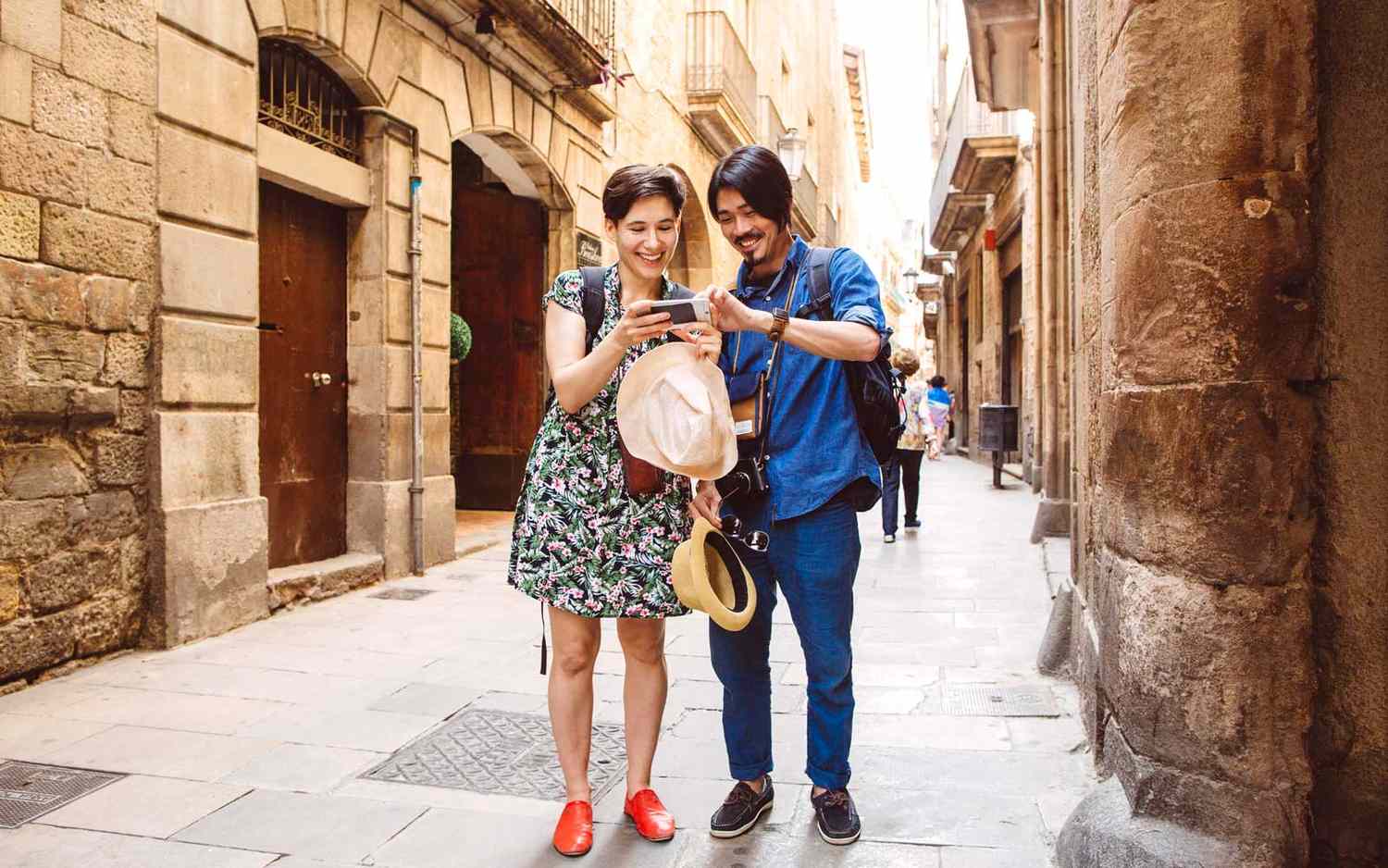
You can spend weeks planning your first international trip and still find yourself checking everything one last time before you leave. Is your passport where you left it? Have you packed more than you need? Will your bank card work when you land? Most of these last-minute worries are easy to avoid with a little preparation before you travel, leaving you free to focus on the experience rather than the logistics.
Which Money Mistakes Are Easy to Overlook Abroad?
Relying on a single payment method is one of the most common ones. Carrying only cash leaves you exposed if it is lost or stolen, while using a regular domestic card overseas without informing your bank can sometimes result in blocked transactions. Currency conversion can also become confusing, especially when you are working out prices in an unfamiliar currency at a busy shop or airport.
A few simple habits can make managing money while travelling much easier:
- Carry a mix of local currency, a forex card, and a backup credit card.
- Inform your bank about your travel dates and destinations before you leave.
- Keep a small amount of emergency cash separately from your main wallet.
How Can Missing Paperwork Create Bigger Problems?
Misplacing important travel documents can interrupt your plans. Many first-time travellers forget to check passport validity requirements before booking, even though several countries require passports to remain valid for at least six months beyond the date of travel. As entry rules vary by destination, it is worth checking the official requirements before you fly.
It is also a good idea to keep both printed and digital copies of your passport, visa, travel bookings, and identification. If something goes missing, having copies readily available can make the next steps much easier.
Why Does Packing Too Much Into One Day Rarely Work?
Trying to visit too many places in a single day often leaves you feeling rushed rather than satisfied. First-time travellers sometimes underestimate the time needed for transport, security checks, queues, and jet lag. Instead of enjoying each destination, they end up watching the clock.
Leaving some flexibility in your schedule gives you time to explore without constantly worrying about what comes next. It also leaves room for unexpected delays or spontaneous plans.
What Else Should You Sort Out Before You Leave?
Before you head to the airport, take some time to check these details:
- Find out whether there are any local customs or tipping practices that visitors are expected to follow.
- Set up an international roaming pack or activate a local e-SIM so you can use maps, booking confirmations, and messaging apps as soon as you land.
- Keep digital copies of your passport, visa, and travel bookings on your phone or another secure device in case you need them.
Where Does Travel Insurance Fit Into Your Travel Plans?
Along with organising your money, documents, and itinerary, many travellers also choose to buy travel insurance before departure. If you are travelling overseas, an international travel insurance policy may help with eligible expenses arising from situations such as medical emergencies, travel delays, or lost baggage, depending on the policy terms and conditions.
Before purchasing a policy, always read the policy wording carefully to understand the available benefits, limits, terms, conditions, and exclusions.
Conclusion
Your first international trip is likely to teach you things that no packing list can. While you cannot plan for every situation, taking a little extra time to organise your money, documents, and itinerary can help you deal with unexpected challenges more easily. Preparing well before you leave, including reviewing your travel insurance needs, means you can spend less time solving problems and more time enjoying the experience.
